

Pocket Option Tax Documents: Your Essential Guide
When it comes to trading with pocket option tax documents Pocket Option DE, understanding the tax implications of your trading is crucial. Just like any other financial endeavor, trading online has specific tax obligations that must be met. In this article, we will delve into everything you need to know about Pocket Option tax documents, including what they are, why they are important, and how to manage them effectively for your financial well-being.
What Are Pocket Option Tax Documents?
Pocket Option tax documents are essential financial records that traders need to maintain for tax reporting purposes. These documents typically include transaction records, profit and loss statements, and other relevant financial data that reflect your trading activities. The tax documents you gather will vary based on the trading style, the number of trades executed, and the jurisdiction you operate from.
Why Are Tax Documents Important?
Staying compliant with tax regulations is paramount for any trader. Here’s why tax documents are especially critical:
- Legal Compliance: Most jurisdictions require traders to report their profits and losses for taxation. Having the right documents helps ensure you stay compliant with tax laws.
- Accurate Reporting: Preparing your annual tax return can be a daunting task, especially if you don’t have an accurate record of your trading activities. Tax documents simplify this process and ensure accuracy.
- Maximizing Deductions: Trading losses can sometimes be deducted from other income, reducing your overall tax liability. Having documented proof of your trades ensures you don’t miss out on potential savings.
Types of Tax Documents You Need
When trading on Pocket Option, you should aim to collect the following types of tax documents:
- Transaction History: This document lists all your trades, including the date, type of trade, amounts invested, and the results.
- Profit and Loss Statements: These statements summarize your trading performance over a specific period, showing total gains and losses.
- Withdrawal/Deposit Records: Keeping track of your deposits and withdrawals can help clarify your cash flow and support your reported income.
- Bank and Payment Processor Statements: These can provide additional verification of your trading activities and financial transactions.
How to Obtain Your Pocket Option Tax Documents
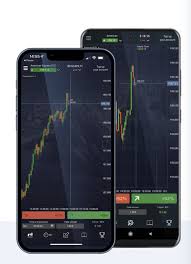
Requesting your tax documents from Pocket Option is straightforward. Here’s how you can do it:
- Log in to your Pocket Option account.
- Navigate to the ‘Reports’ section typically found on your account dashboard.
- Select the required time period for which you want to generate your reports.
- Download or export the report in a format suitable for your needs (e.g., CSV, PDF).
Best Practices for Managing Your Tax Documents
To ensure you’re completely prepared when tax season arrives, here are some best practices for managing your Pocket Option tax documents:
- Maintain Accurate Records: Ensure all your trades are recorded diligently, including the profit or loss associated with each transaction.
- Organize Files Consistently: Set up a filing system—either digital or physical—to keep your tax documents accessible. This will make retrieval easier when you need to reference them.
- Regularly Update Your Records: Don’t wait until tax season to update your documents. Regular updates can help avoid last-minute stress.
- Consult a Tax Professional: If you’re unsure about any aspect of your tax obligations, consider consulting a tax professional familiar with trading taxes. They can provide guidance tailored to your specific situation.
Understanding Your Tax Obligations
Your tax obligations as a trader will depend significantly on your location, as different countries have varying rules regarding capital gains tax, income tax, and withholding tax. It’s important to research and understand the specific tax implications in your jurisdiction:
- Capital Gains Tax: Typically, profits made from trading may be subject to capital gains tax. Different rates may apply based on how long you hold the asset.
- Income Tax: In some jurisdictions, trading profits are treated as ordinary income, which may be subject to different tax rates.
- Tax Treaties: If you are trading internationally, check if there are any tax treaties between your country and the country where Pocket Option operates, as these can impact your obligations.
Conclusion
In conclusion, managing your Pocket Option tax documents is an essential part of your trading journey. By keeping thorough records and understanding your tax obligations, you can ensure compliance and optimize your tax situation. Remember to leverage available resources, whether that’s the support of Pocket Option’s customer service for document retrieval or professional tax advice, to navigate this aspect of your trading effectively.
Ultimately, the key to successful trading extends beyond just strategies and market analysis; it also involves a solid understanding of the financial implications of your actions. By prioritizing your tax documentation, you can focus more on trading and less on the administrative burdens when tax season arrives.